Gardeners Willesden — Recycling and Sustainability
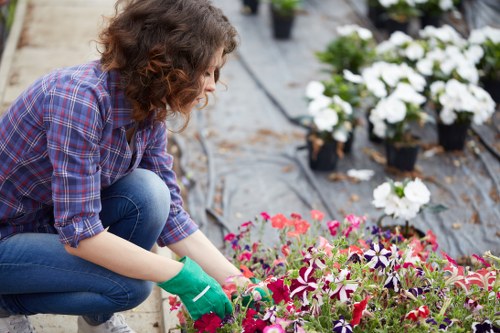 Gardeners Willesden champions an eco-friendly waste disposal area and a thriving sustainable rubbish gardening area throughout the borough. Our approach brings together practical on-site recycling, community composting and low-carbon logistics so that green waste and household garden refuse are treated as valuable resources rather than rubbish. We set clear targets, work with local transfer stations, and build partnerships with charities to ensure materials are reused or recycled wherever possible.
Our recycling and sustainability goals
We are aiming for a borough-wide recycling percentage target of 65% by 2030 for garden and household wastes when combined with reuse initiatives. That target covers: green garden waste, food waste diverted to community composting, and dry recycling streams such as paper, card, glass and metals. By prioritising a sustainable garden waste disposal system we reduce landfill, cut emissions and return organic matter to soils across Willesden.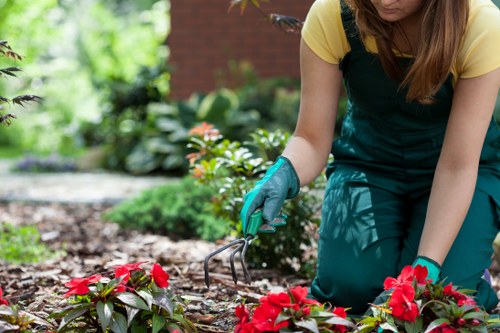 A key part of our work is aligning with the borough's waste separation approach. Local guidance encourages residents and small businesses to separate:
- food and kitchen waste for composting or anaerobic digestion,
- garden and woody material for community compost, and
- dry recycling (paper, card, glass, plastics & metals).
We coordinate regular collections of green waste from community gardens and offer drop-off times for garden trimmings at local transfer stations. Our partnerships with transfer sites, such as the Brent Transfer Station and nearby North London transfer facilities, make it easier to move material quickly into recycling or composting streams. Strong logistics and short transfer distances keep emissions low and speed up processing so nutrients return to the local land sooner.
Low-carbon fleet and sustainable logistics
To serve our eco-friendly waste disposal areas we operate a fleet of low-carbon vans and small lorries: electric vans for short urban rounds, plug-in hybrids for longer runs, and the cleanest available diesel where necessary. The fleet upgrade has cut operational emissions by an estimated 40% compared with the older diesel baseline and we are committed to running a fully low-emission fleet by 2028 where infrastructure allows. Sustainable logistics also means optimising routes, using community transfer stations and consolidating loads to reduce mileage.Our practical sustainable rubbish gardening area work includes building community compost bays, seasonal mulching hubs and shared green waste storage that follows best practice for contamination control. Keeping garden waste separated from residual rubbish prevents recyclates from being lost to landfill and improves the final compost quality — a benefit for allotments, tree pits and public planters maintained by Gardeners Willesden.
We work closely with charities and community organisations to maximise reuse and redistribution. Partnerships include local food redistribution charities that accept surplus edible produce, community horticulture charities that reuse compost and planting materials, and furniture or timber reuse partners who salvage usable wood from clusters of garden clearances. These alliances support a circular approach: items are repaired, reused or repurposed rather than destroyed.
To measure impact we track key performance indicators across every project: tonnage diverted, compost produced and reused, percentage reduction in residual waste, and the number of items passed to charity partners. Regular audits of our eco-friendly waste disposal area inform improvements and help us meet the 65% recycling target. We also publish short annual sustainability summaries so the community can see progress without publishing personal or contact details.
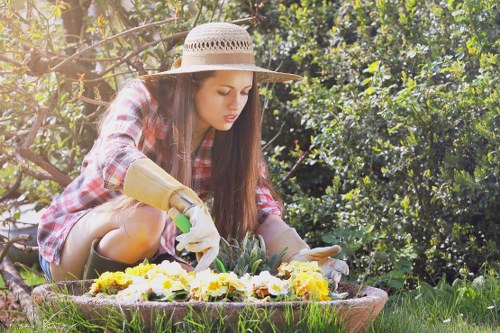 Practical advice for community groups and local estates focuses on realistic separation and reuse actions: label bins for garden waste, maintain clean loads, and arrange scheduled collections coordinated with our low-carbon vans. We encourage the use of municipal green sacks where provided, and work with estate managers to set up communal compost bays that follow simple contamination controls to keep the compost high-quality.
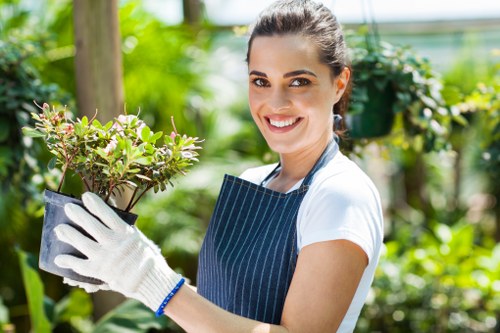 How local recycling activities support Willesden: small behavioural changes at household and community level add up. When residents separate food, garden and dry recyclables in line with the borough approach, the material collected by our sustainable rubbish gardening area is cleaner and more valuable. Clean green waste goes to compost or biomass processing; clean dry recycling re-enters manufacturing; and items suitable for reuse are channelled to charity partners for redistribution in the local economy.
Our ongoing investments in transfer station partnerships, community compost infrastructure and an expanding low-emission fleet create a resilient, scalable model. By focussing on local transfer stations, collaborating with charities and prioritising low-carbon vans, Gardeners Willesden makes it straightforward for volunteers, residents and small businesses to contribute to a greener borough.
Join us in making the eco-friendly waste disposal area the norm in Willesden — through separation at source, support for community composting, and by encouraging reuse that keeps materials in circulation rather than sending them to landfill.

